
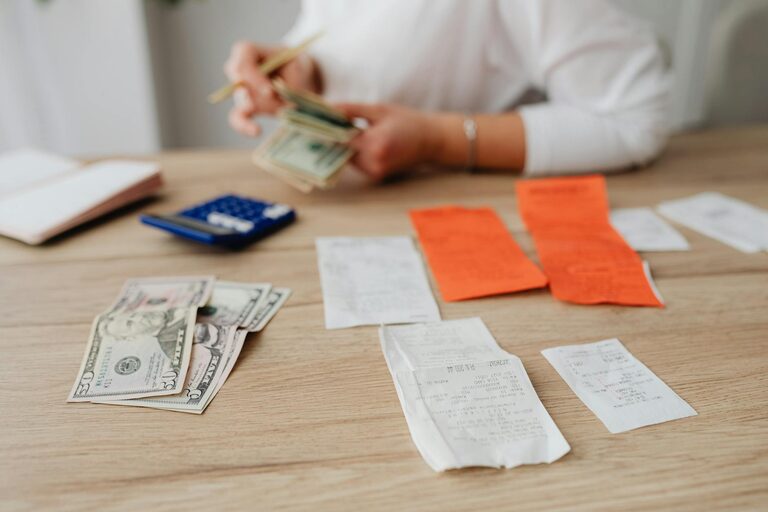
Managing your money doesn’t have to be overwhelming. By incorporating simple budgeting habits into your daily life, you can take control of your finances, reduce stress, and work toward your financial goals. Whether you’re new to budgeting or just looking for ways to improve, these practical habits can help you stay on track without feeling restricted.
Why Simple Budget Habits Matter
Budgeting often gets a bad reputation because many think it means strict rules or complicated spreadsheets. The truth is, simple habits can lead to lasting change. Consistency is key: small, positive actions every day add up to big results over time. Plus, simple habits are easier to maintain, making your budget a helpful tool rather than a source of frustration.
Getting Started: Track Your Spending
Keep a Daily Expense Journal
One of the most effective ways to become aware of your finances is to track what you spend. You don’t need any special apps—just a notebook or a notes app on your phone will do.
– Write down every purchase, no matter how small.
– Categorize your spending (e.g., groceries, transportation, dining).
– Review your list weekly to see where your money goes.
By doing this, you’ll spot unnecessary expenses and areas to cut back.
Use Budgeting Apps for Convenience
If you prefer digital tools, many apps make tracking effortless by connecting to your bank accounts and categorizing expenses automatically. Pick one that suits your style and check it daily or weekly.
Set Clear, Realistic Budgets
Create Monthly Spending Limits
Once you understand your spending habits, set reasonable limits for each category. For example:
– Groceries: $300
– Transportation: $100
– Dining out: $80
Remember, budgets should reflect your lifestyle, not restrict it unfairly. Start with broad categories and fine-tune them over time.
Use the 50/30/20 Rule as a Starting Point
A popular guideline suggests allocating:
– 50% of your income to needs (bills, rent, groceries)
– 30% to wants (entertainment, eating out)
– 20% to savings or debt payment
Adjust these percentages based on your situation.
Build Simple Spending Habits
Plan Your Meals and Groceries
Food is one of the largest recurring expenses. Planning weekly meals helps:
– Reduce impulse buys.
– Minimize food waste.
– Save money by buying only what you need.
Make a grocery list and stick to it.
Use Cash for Discretionary Spending
Consider withdrawing a set amount of cash for non-essential purchases each week. When the cash is gone, you avoid spending more.
Avoid Shopping as Entertainment
It’s easy to spend when shopping is a habit or hobby. Replace this with free or low-cost activities like walking, reading, or visiting a local park.
Save Without Noticing
Automate Your Savings
Set up an automatic transfer from your checking account to a savings account right after payday. Even a small amount adds up. Treat savings as a fixed expense.
Look for Small Ways to Save Daily
– Brew coffee at home instead of buying it.
– Pack lunches rather than eating out.
– Use coupons and discount apps.
These habits may seem minor, but the money saved daily can be significant over months.
Review and Adjust Regularly
Monthly Budget Check-Ins
Take 15 minutes each month to review your spending and savings. Ask yourself:
– Did I stay within my budget?
– Are there expenses I can reduce further?
– Am I meeting my financial goals?
Adjust your budget categories as your needs and income change.
Celebrate Progress
Recognize your successes, no matter how small. Positive reinforcement helps maintain good habits and motivates you to keep going.
Tips for Staying Motivated
– Set clear goals: Whether it’s saving for a vacation or paying off debt, knowing your why keeps you focused.
– Use reminders: Sticky notes, app alerts, or calendar events can prompt budgeting habits.
– Find support: Share your goals with a friend or family member for accountability.
Final Thoughts
Building simple budget habits doesn’t mean giving up everything you enjoy. It’s about making mindful choices and having control over your money. Start small, stay consistent, and watch how your financial confidence grows over time. With these easy habits, budgeting becomes a natural part of your everyday life, helping you live within your means and plan for the future.
Happy budgeting!