
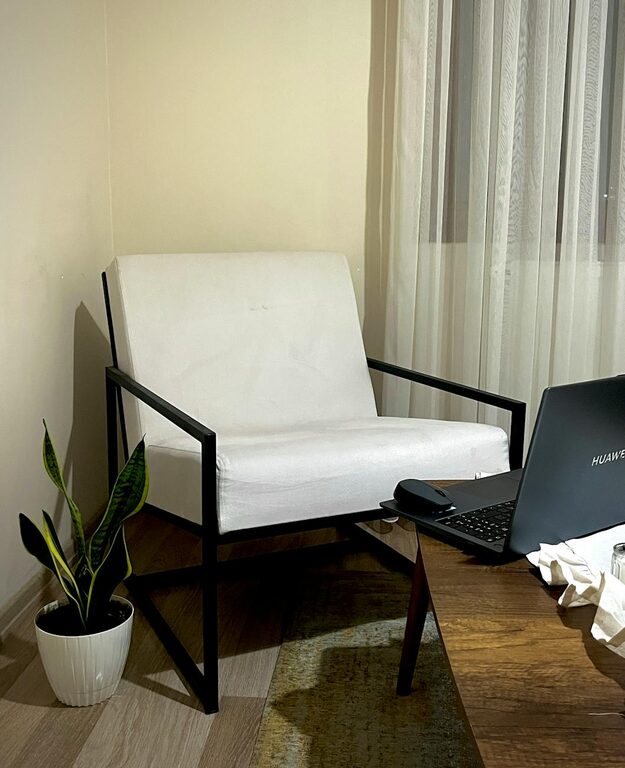
Creating a relaxing home workspace is essential for maintaining productivity and well-being, especially as many people continue to work remotely. Your environment can greatly influence your mood, concentration, and overall job satisfaction. Here, we’ll explore practical tips to help you design a home workspace that feels calm, inviting, and conducive to focused work.
Why a Relaxing Workspace Matters
A peaceful workspace can reduce stress and prevent burnout. When your surroundings are cluttered, noisy, or uncomfortable, it’s hard to stay focused. Conversely, a thoughtfully arranged area can boost your creativity, improve your mood, and make work feel less like a chore.
Choosing the Right Location
The first step is picking the right spot in your home.
Consider Natural Light
Try to position your desk near a window if possible. Natural light is refreshing, helps regulate your sleep cycle, and reduces eye strain.
Minimize Distractions
Choose a quiet corner away from busy household areas. If space is limited, consider using headphones or noise-canceling devices to create a sense of separation.
Setting Up Your Desk
Your desk is the centerpiece of your workspace, so make it comfortable and organized.
Ergonomics Matter
Invest in a supportive chair with adjustable height and backrest. Your monitor should be at eye level to prevent neck strain. Keep your keyboard and mouse within easy reach.
Keep It Clutter-Free
Too many items on your desk can overwhelm your mind. Limit your workspace to essentials like a computer, a notebook, and a few personal items.
Use Organizers
Desk organizers, trays, or drawers can keep pens, papers, and gadgets tidy and accessible.
Incorporating Soothing Elements
Add details that promote relaxation and focus.
Color and Decor
Choose calming colors like light blues, greens, or neutrals for walls and accessories. Personal touches such as plants, artwork, or family photos can also create a pleasant atmosphere.
Plants for a Fresh Feel
Indoor plants improve air quality and add a touch of nature. Succulents, spider plants, or small potted herbs are low-maintenance options.
Gentle Lighting
Avoid harsh overhead lighting. Use adjustable lamps or soft LED lights that reduce glare and create a cozy ambiance.
Managing Noise
Sound plays a big role in your ability to concentrate.
Use White Noise or Soft Music
If external noises are distracting, white noise machines or calm instrumental music can help mask disruptions.
Noise Reduction Solutions
Consider soundproofing options like rugs, curtains, or foam panels, especially if your workspace shares walls with noisy areas.
Organizing Your Workflow
A relaxed workspace also depends on how you manage your tasks and tools.
Create a To-Do List
Keep a planner or digital task manager to prioritize work and avoid feeling overwhelmed.
Store Supplies Nearby
Have common items like chargers, notebooks, and stationery within arm’s reach to minimize interruptions.
Declutter Regularly
Set aside time weekly to tidy your space and clear out unnecessary items.
Taking Breaks and Maintaining Comfort
Even the best workspace needs moments of rest.
Stretch and Move
Include a space for simple stretches or short walks to keep your body active.
Stay Hydrated and Nourished
Keep a water bottle and healthy snacks nearby to maintain energy levels.
Adjust Temperature and Airflow
Use fans, heaters, or open windows to create a comfortable climate.
Final Thoughts
Creating a relaxing home workspace doesn’t require an expensive makeover. By focusing on comfort, organization, and pleasant surroundings, you can build a space that supports your productivity and well-being. Start small by making a few changes, and you’ll likely notice a positive impact on your workday.
Remember, your workspace should reflect what helps you feel calm and focused. Experiment with different setups and find what inspires your best work!